Named Agri-Convergence Entrepreneur of the Month
eDaily · eToday · Shinailbo
Public recordOpen the record ↗Kimchi that completes lactic-acid metabolism without salt, below the 1.5% salt that conventional lactic fermentation needs. Wooyoung Nam began it as a low-salt kimchi in Uljin, Korea, in 2010 and took it to 0.0%. It is the first technology of GRBM.
In ordinary kimchi, salt holds back spoilage microbes while lactic acid bacteria grow. Lower the salt and kimchi sours fast, softens and loses its guard against pathogens. So research worldwide has looked for ways to use a little less salt.
Salt holds spoilage microbes back. Typical range 2–4%.
Kimchi GRBM is designed for 0.0–0.78%. It does not need this much salt.
Average daily sodium intake in Korea (mg)
Source: KNHANES via MFDS and KDCA; 2025 is provisional. 2012–2015 and 2017 are interpolated.
Napa cabbage kimchi is Korea's second-largest source of sodium, after salt itself.
Korean J Community Nutr, 2023In MFDS's “Samsam” low-sodium canteen pilot, the kimchi in a meal went from 560 mg to 280 mg of sodium.
미디어생활, 2014.12World average daily salt intake, double the WHO limit of 5 g.
WHO, 2023| Year | Sodium policy, Korea and world | Meanwhile, Wooyoung Nam |
|---|---|---|
| 2026 | 2025 intake 3,043 mg (provisional), just above the 3,000 mg goal | Opens the GRBM·VPMI technology transaction |
| 2020 | World Hypertension League award for population sodium reduction | Founds Elan Vital BIO |
| 2016 | 2nd national sodium plan (goal 3,500 mg) | China and Japan patents; joins a Korea–China kimchi export MOU in Beijing |
| 2014 | MFDS begins certifying low-sodium canteens | MBC: “Low-salt kimchi breaks the China barrier” (0.2% salinity) |
| 2013 | Salty-taste grading debated; National Assembly salt campaign | Launches 0.7% low-salt kimchi; tasting at the Assembly campaign |
| 2012 | National sodium-reduction movement launched (2010 intake then reported as 4,878 mg) | Patent registered; venture status via KIBO technology evaluation |
GRBM (Green Red BIO Metabolome) is a metabolome platform built by plants (Green) and microbes (Red) together, and its first technology is salt-free probiotic kimchi. VPMI-CM, added at the mixing stage, activates the lactic acid bacteria that live in the cabbage and plants (Vital Probiotics). They outcompete spoilage microbes and metabolize the kimchi, so no salt brining and no chemical washing are needed.
| Conventional | Kimchi GRBM | |
|---|---|---|
| Salinity | Must stay above the salt limit; 2–4% typical | 0.0–0.3% recommended, 0.78% max |
| How it works | Salt suppresses spoilage microbes | Vital Probiotics outcompete them and metabolize |
| Lactic acid bacteria | ≈106 CFU/g | ≥108 CFU/g |
| Brining · chemical wash | Required | None |
| Dietary fibre | Soluble fibre lost in brining | Soluble and insoluble fibre kept with the bacteria |
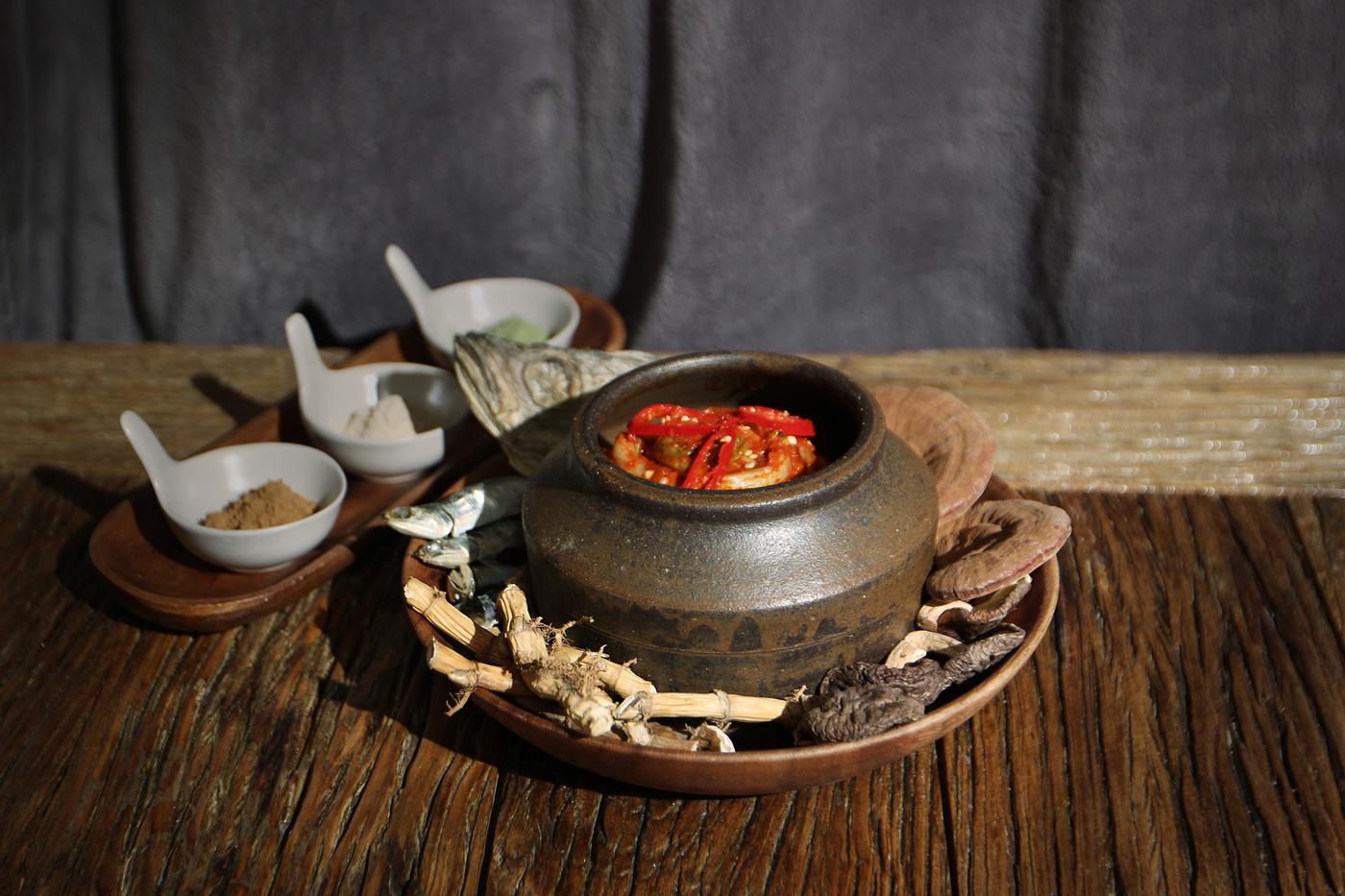
| Raw materials | Fresh vegetables | Fresh plants plus dried plants, herbs and seafood |
| Extends to | Side dish | Beverages, cosmetic actives, infant and liquid foods |
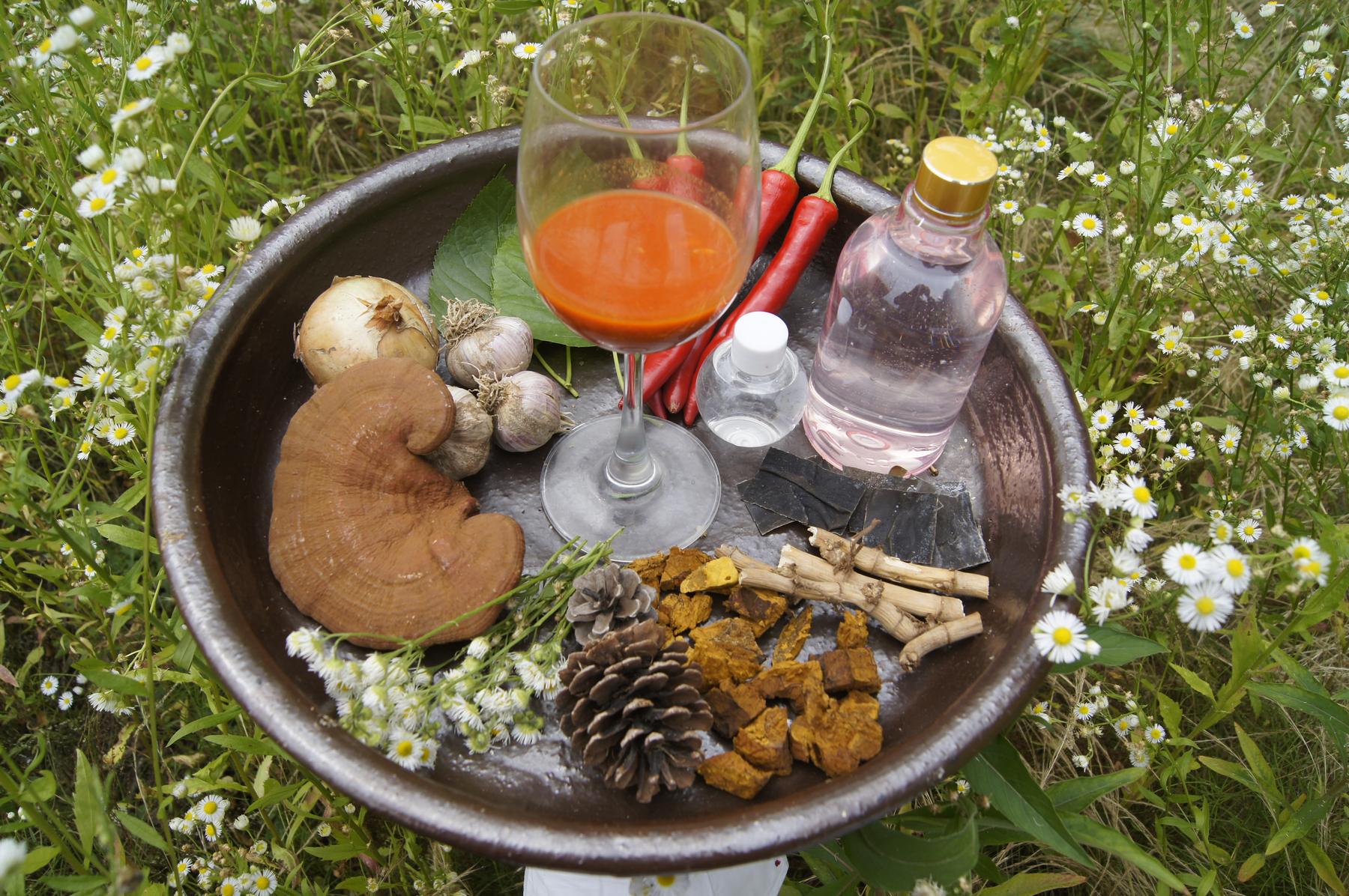
A plant-based catalyst made from about 32 plant materials, applied to low-salt kimchi. This kimchi was the first GRBM formulation people ate.
The principle found in kimchi, widened to fresh plants of every kind: a plant–microbe metabolome platform.
Instead of fresh plants only, a broth-based metabolic design brings dried plants, dried medicinal herbs, seafood and other materials into the Fermentabolism™ process.
VPMI-CM Technology is based on Fermentabolism™, a metabolism-driven fermentation process capable of producing ultra-low-salt and salt-free kimchi through the generation of Vital Probiotics.
Sodium per 100 g, as printed in the October 2013 product advertisement (market: Korea Consumer Agency, Aug 2013 · ASaHAn 0.7: Korea Food Research Institute, Aug 2013). The line later reached 0.0% salt.
A method using low-chloride, high-potassium wild herbs to bring the Na/K ratio of 0.3–1.5% salt kimchi below 1.0. The salt-free (0.0%) VPMI-CM process beyond it is protected as a trade secret.
The composition of VPMI-CM is a trade secret. Original records can be inspected on site in Uljin under an NDA.
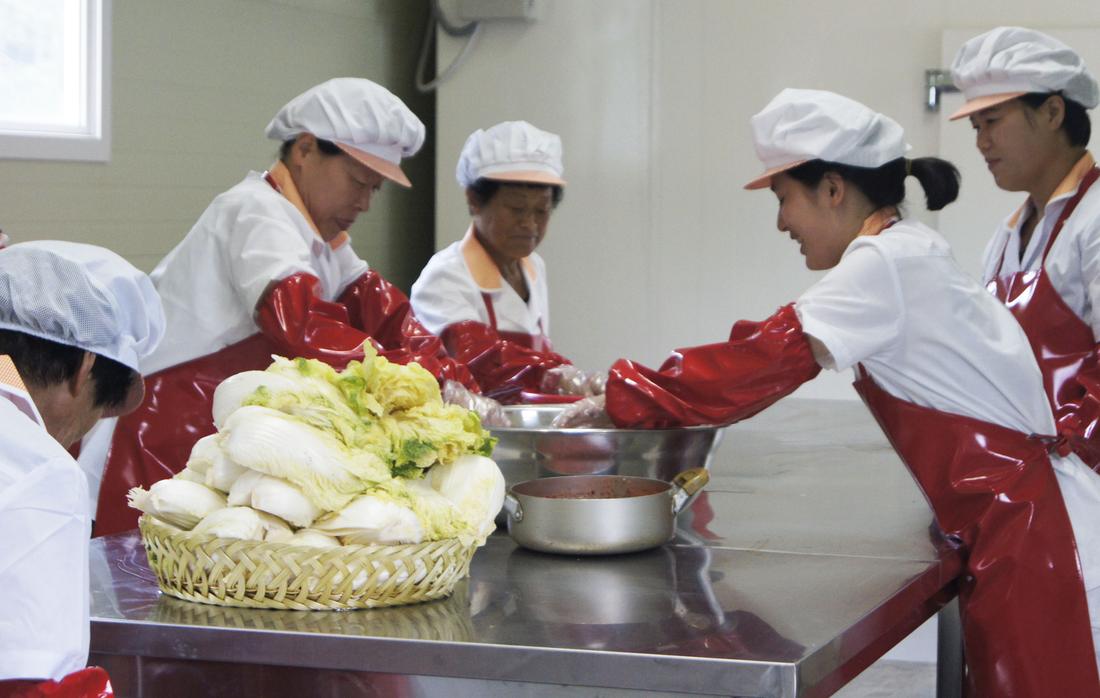
Thirty key records from the kimchi years (2012–2018), each on file as an original or a public article.
Seven months after the patent.
MBC News Today
Low-sodium, low-chloride, high-potassium kimchi (China and Japan in force)
For science and for Korean cuisine
“Developing a technology that can bring salinity down to 0.7% can be rated on a par with breaking the ‘magic 10-second barrier’ in the 100-metre sprint.”
“The world's first … product to succeed at kimchi fermentation in a salt-free environment”
“… in the hands of an engineer, a patented low-salt kimchi, rich in lactic acid bacteria even without salt, was born.”
Every original (certificates, patent grants, broadcast captures) can be inspected during on-site due diligence under an NDA. Public articles open from each card.
At 0.0% salt, free salt kimchi becomes a raw material for beverages, cosmetics and infant food with no desalting step. That is why the work went past low-salt to salt-free.
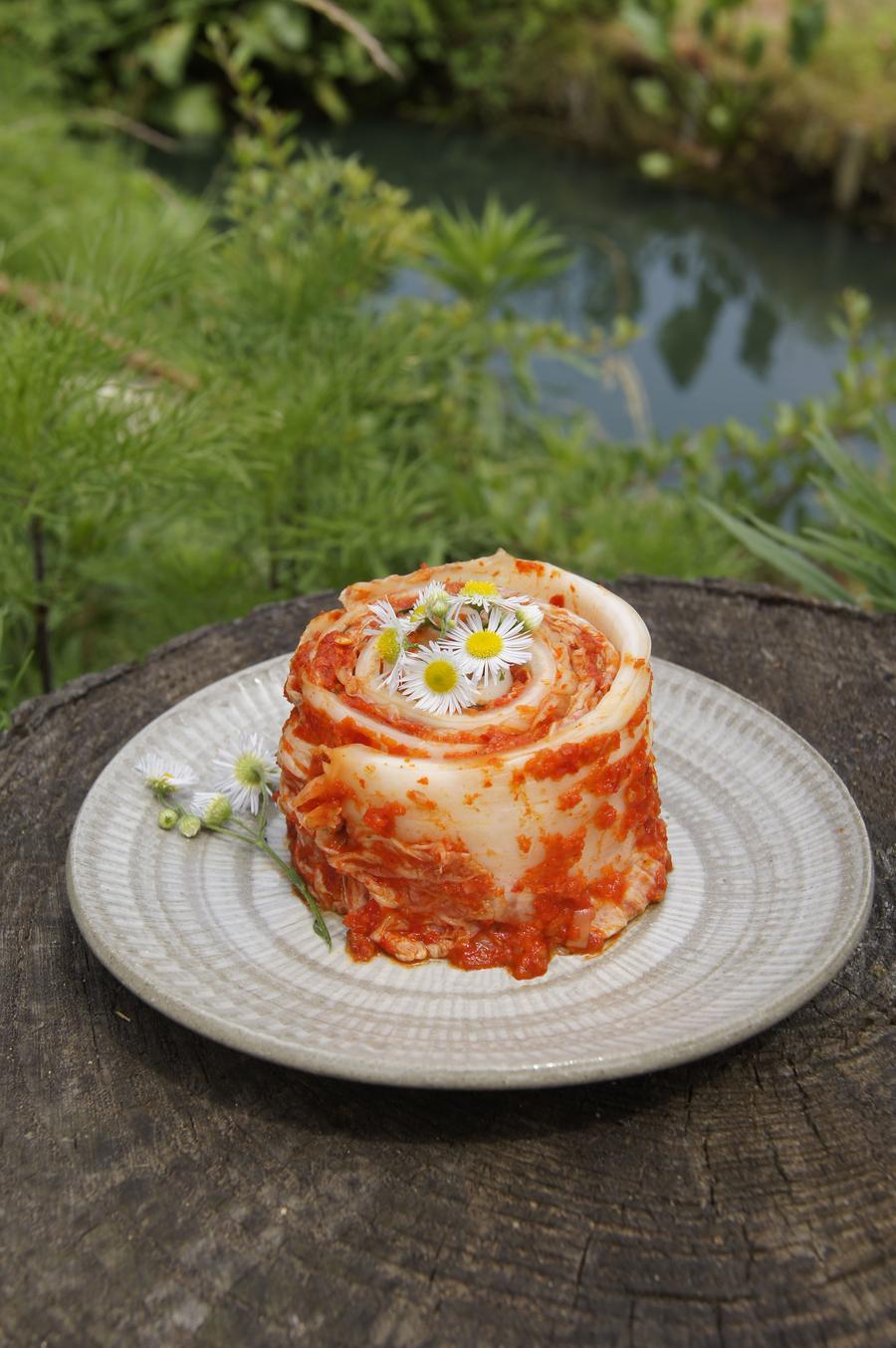
Adjust only the water and oligosaccharide and the process yields a probiotic kimchi drink. No desalting, so the metabolites stay.
Probiotic drinks US$45.5B (2025) → 100.8B (2035)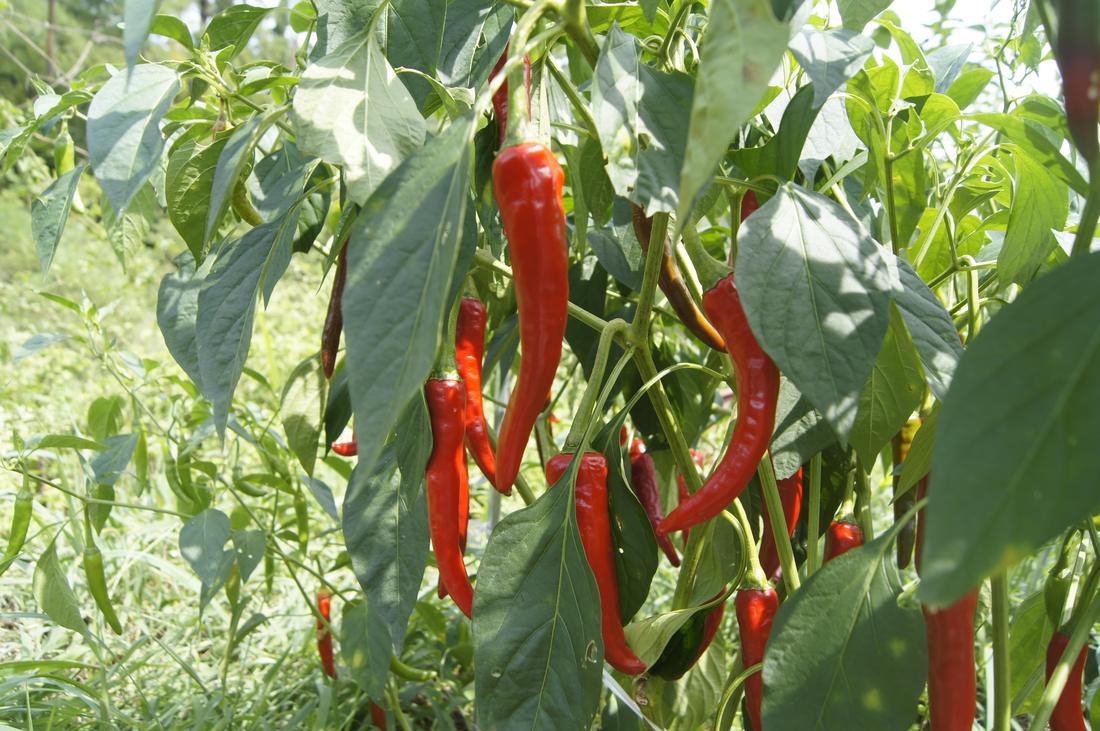
Extracts from salt-free kimchi need no desalting step, which the company's records link to pigmentation problems. They lead to cosmetic metabolite actives (GRBM MCM).
Kimchi-microbe cosmetic actives are an active field
Designed as a metabolized protein matrix of milk, goat milk, egg, salt-free kimchi and ginseng, freeze-dried.
No added salt · designed to the infant-food sodium limit (≤200 mg per 100 g)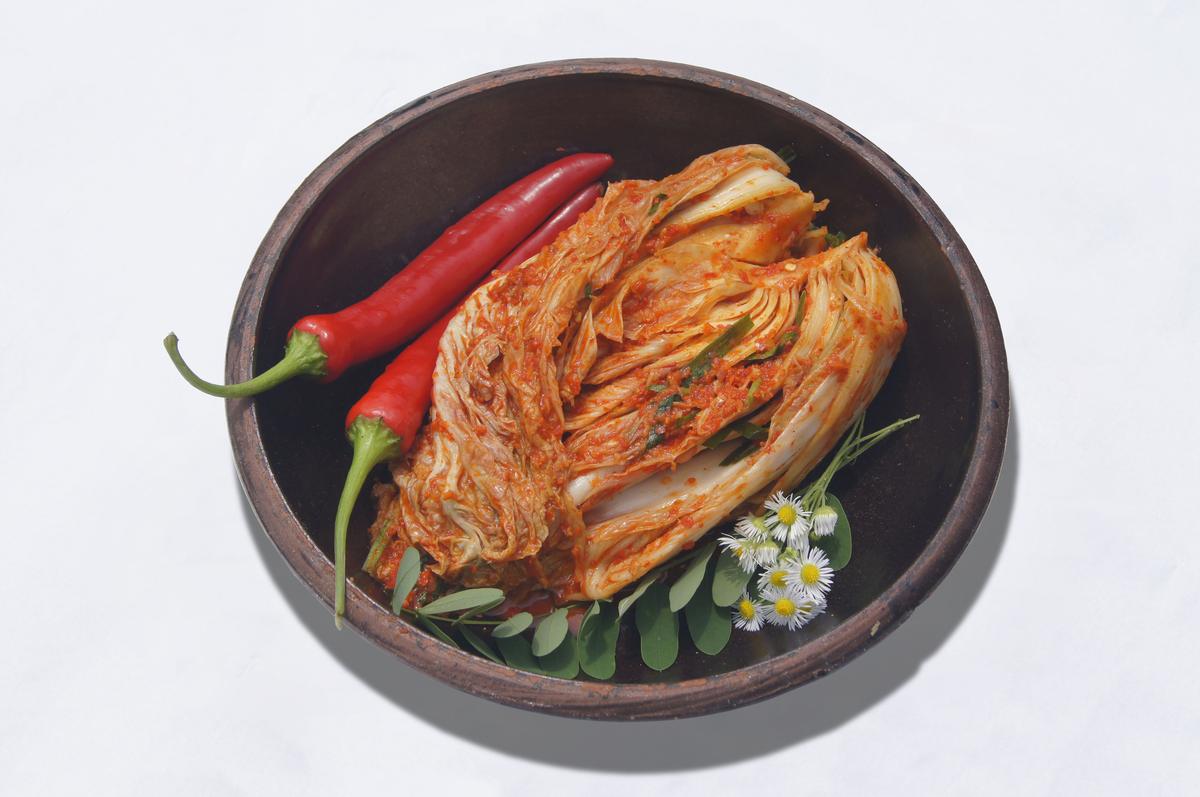
Low- and no-salt metabolic food designed in care-food formats for seniors and dysphagia diets. No brining step.
Korean care-food market ≈ KRW 3 trillion (2025, aT)In tasting studies from 2013 to 2018, willingness to pay was 2.36× that of regular kimchi and liking scored about 20 points higher out of 100 (company survey). It led to exports to Hong Kong and a Korea–China kimchi export MOU in Beijing.

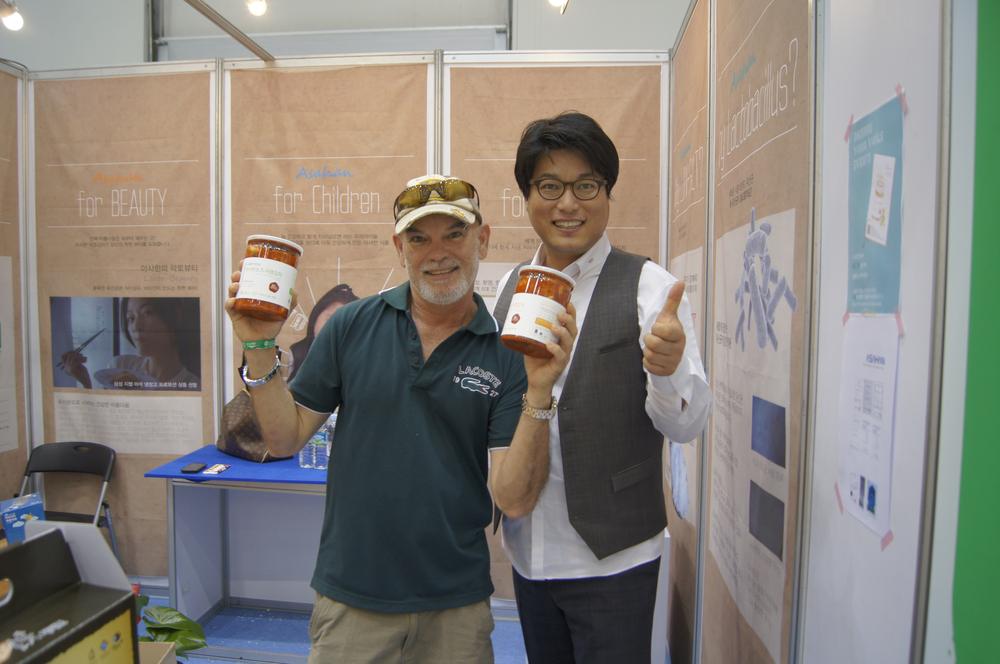
On the company's record, has shown interest in infant and liquid foods built on low-salt kimchi.
On the company's record, took part in developing a core ingredient for its camellia line.
On the company's record, cooperated on lactic-acid-bacteria health functional foods.
Company names reflect cooperation and interest on the company's record, not an endorsement or a current contract.

“How can we live a healthy life? Countless questions ran through my head. ASaHAn Good Gimchi is the outcome of all these concerns.”
From the 2013 CEO message
A computer engineer by training, Wooyoung Nam came home to Uljin in January 2010 to care for his sick mother. He turned a cobweb-filled warehouse into an office and studied nature and humans for four years. The ecological systems biology he had pursued since 2005 bore its first fruit there, as a low-salt kimchi.
He sees the Earth, humanity and natural ecosystems as one community of fate (One Health). Seeing plants, their microbes and people as one living unit, a holobiont, grew into GRBM, which connects genome, microbiome and metabolome.
Begins ecological systems biology research
Returns home; first GRBM model built as low-salt kimchi
Patent · Village Enterprise · KIBO venture status
0.7% kimchi launched · Samil Culture Award for Science
HACCP · Korean Food Day pavilion · 0.2% salinity
China and Japan patents · export MOU · Minister's commendation
Founds Elan Vital BIO; advances GRBM
Opens the GRBM·VPMI technology transaction
Low salt kimchi uses less salt; many low-salt products on the market are still around 1.5–2%. Free salt kimchi is designed at 0.0–0.3% with no salt brining, and plant lactic acid bacteria (Vital Probiotics) metabolize it in place of salt.
VPMI-CM, added at mixing, activates the lactic acid bacteria living in the cabbage and plants; they outcompete spoilage microbes and metabolize the kimchi. The process is called Fermentabolism™. The composition of VPMI-CM is a trade secret.
GRBM (Green Red BIO Metabolome) is a metabolome platform created by the symbiosis of plants (Green) and microbes (Red). Developed by Wooyoung Nam, it links genome, microbiome and metabolome as one living unit, a holobiont. Salt-free probiotic kimchi is its first technology.
The full set of small molecules a living system makes as it metabolizes, such as organic acids, amino acids and plant compounds. GRBM carries the metabolome that plants and lactic acid bacteria make together.
Free salt kimchi for babies, salt-free salad kimchi for care, probiotic kimchi drinks, bio-cosmetic actives, and ingredients for infant and liquid foods. It starts from needing no desalting step.
Leave your organization and interest in the form below and we will send the GRBM Complete Edition. Under an NDA, original records and the process can be reviewed on site in Uljin.
The transaction covers all transferable GRBM·VPMI rights. Terms are shared directly with the inquiring organization.